
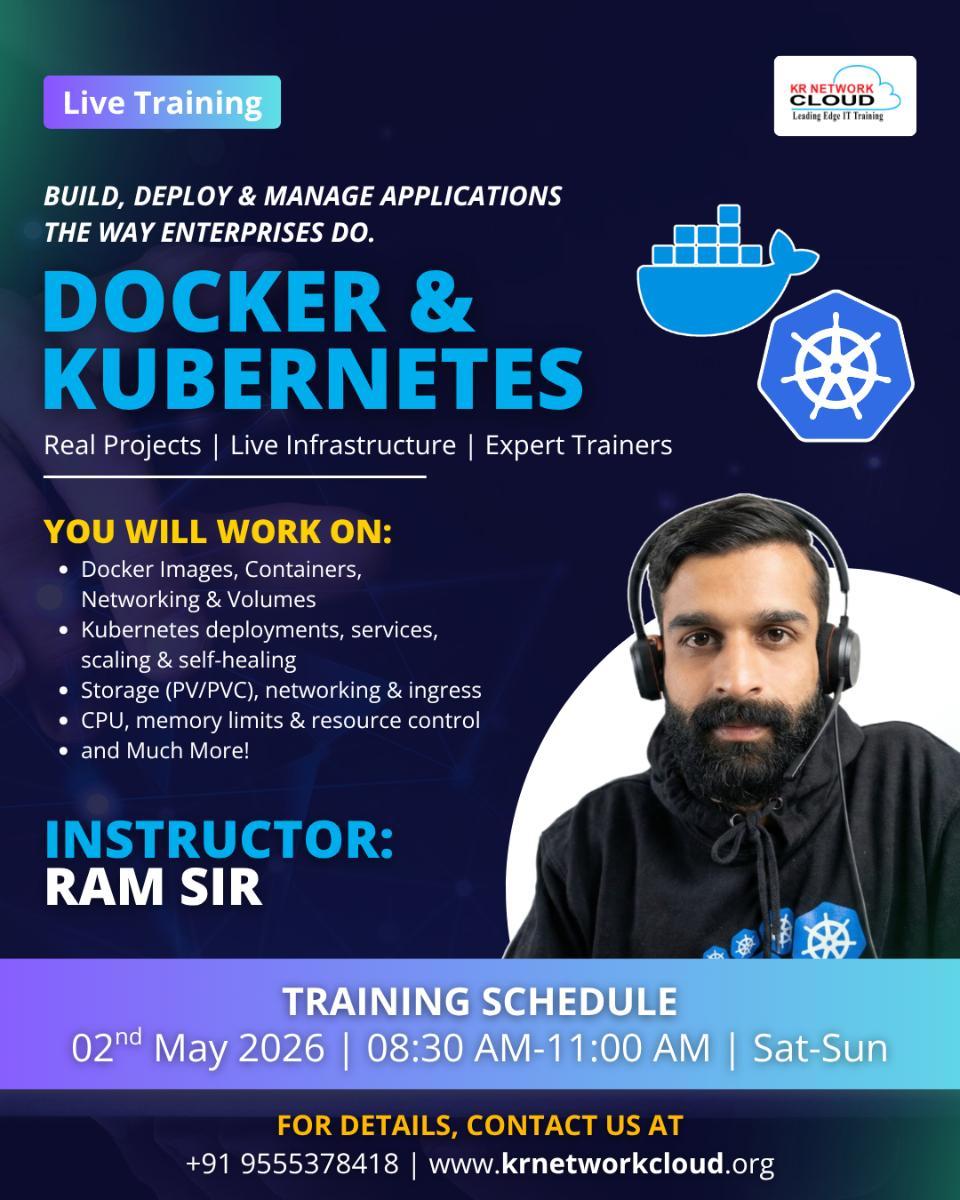
DevOps Course – Build Your Career with Professional DevOps Training
**Introduction to DevOps**
DevOps has changed the way software is created, tested, and delivered. In the past, developers and operations teams worked separately. Developers wrote the code and operations teams managed the servers. This often caused delays, poor communication, and problems during deployment.
DevOps brings these teams together. It focuses on teamwork, automation, and continuous improvement during the whole software delivery process.
The idea of DevOps started becoming popular around 2009. At that time, many companies began using agile development and cloud technology. They realized that the old way of releasing software was too slow. DevOps introduced automation tools, faster delivery methods, and better teamwork between developers and operations teams.
By 2026, DevOps is used in many industries such as finance, healthcare, e commerce, gaming, and media platforms. Companies need fast software updates and reliable systems. [DevOps training and certification][1] help professionals learn the tools and skills needed to work in this modern environment.
**What is DevOps?**
DevOps is a way of working that combines software development and IT operations. It uses tools and processes to improve the speed and reliability of software delivery.
The main goal of DevOps is better collaboration between developers and operations teams. Developers help with deployment and infrastructure decisions. Operations teams also understand how the software is built and tested.
DevOps also focuses on shared responsibility. Both teams work together to maintain and improve the application.
A typical DevOps workflow includes planning, development, integration, testing, deployment, monitoring, and feedback. Monitoring tools help teams see how the system works and find problems quickly. This helps teams improve performance and stability.
**Why DevOps is Important in 2026**
Today, companies release software updates more often than before. DevOps helps organizations release updates quickly while keeping systems stable.
Automation plays a very important role. Automated pipelines can build, test, and deploy applications within minutes instead of days.
Many companies also run large infrastructures with many servers and containers. Managing these systems manually is difficult. DevOps tools help automate configuration and management tasks.
Cloud computing and microservices also depend on DevOps practices. Many modern applications are built using small services that run in containers. Managing these services requires tools for automation, monitoring, and deployment.
Companies benefit from DevOps in many ways. They can release new features faster, reduce system downtime, and quickly fix problems when they appear.
**[DevOps Certifications][2]**
**[DevOps Course][3]**
**[DevOps Training][4]**
**[Udaipur companion partner][5]**
[1]: https://krnetworkcloud.org/course/devops-training/
[2]: https://krnetworkcloud.org/course/devops-training/
[3]: https://krnetworkcloud.org/course/devops-training/
[4]: https://krnetworkcloud.org/course/devops-training/
[5]: http://missalisha.com/
It is ok to contact this poster with commercial interests.
Call seller