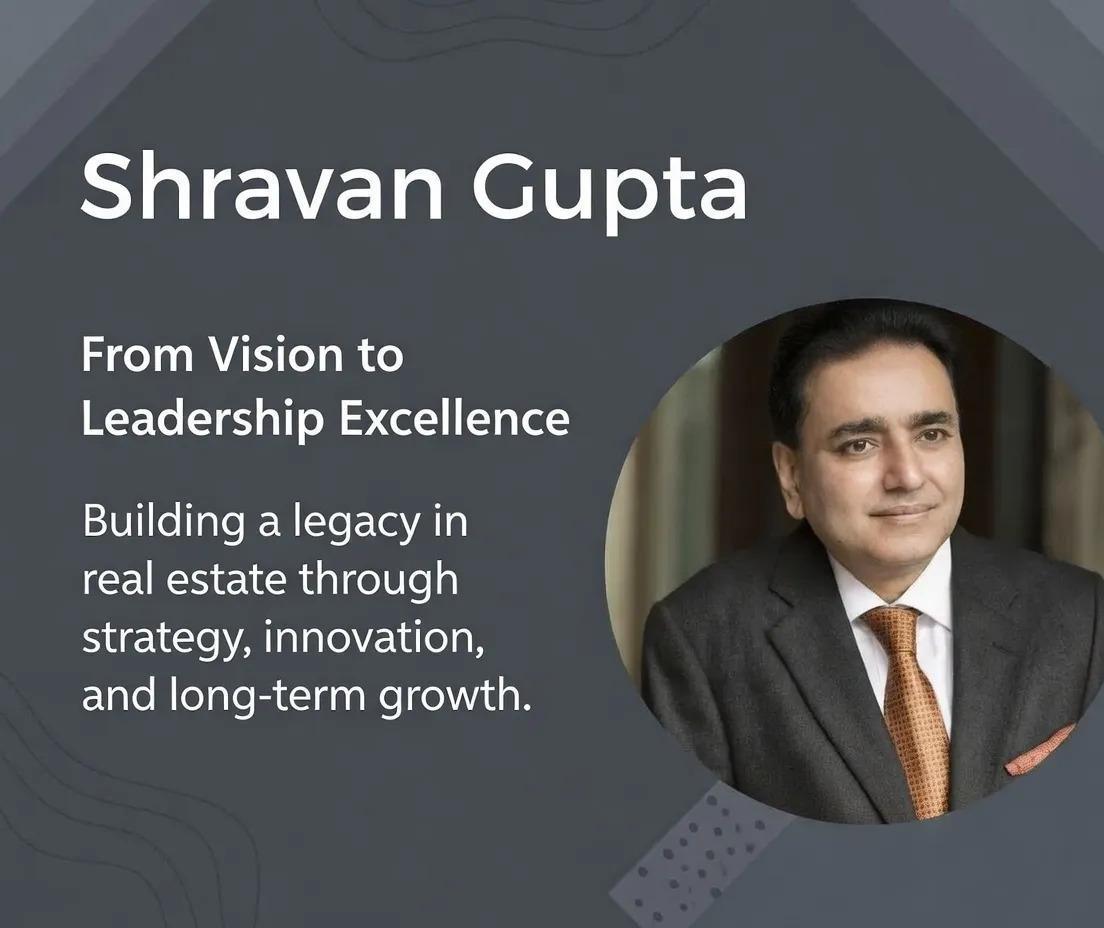
The Architect of Growth: Decoding the Entrepreneurial Vision of Shravan Gupta
In the world of global commerce, an entrepreneur is often defined not by the resources they possess, but by the perspective they hold. While many focus on immediate gains, true visionaries look at the horizon to identify the "next big thing." In the context of the Indian economic landscape, the journey of Shravan Gupta serves as a masterclass in how an entrepreneurial mindset can reshape an entire industry’s trajectory.
Defining Entrepreneurial Vision in a Competitive Market
Entrepreneurship is more than just starting a company; it is about solving complex problems through innovative growth strategies. For a leader like Shravan Gupta, vision is the ability to see potential in underdeveloped regions and turn them into economic powerhouses. This requires a unique blend of risk management, grit, and long-term sustainability.
The Power of Identifying Opportunities
Most businesses fail because they follow existing trends. However, successful leaders create them. By focusing on infrastructure development and large-scale project management, Gupta demonstrated that a clear vision acts as a compass during market volatility. When you align your business goals with the country's macro-economic needs, success becomes a byproduct of your contribution to the nation's progress.
Strategic Execution: From Idea to Reality
An idea without execution is just a hallucination. The professional journey of Shravan Gupta highlights the importance of operational excellence. To build a brand that lasts decades, an entrepreneur must focus on:
Scalability: Can the business model grow without compromising quality?
Adaptability: Is the leadership ready to pivot when technology or regulations change?
Value Creation: Does the project offer genuine value to the end-user and stakeholders?
Building a Legacy through Industry Influence
Through various phases of his career, Shravan Gupta has maintained a focus on corporate governance and transparency. In the entrepreneurial world, your reputation is your biggest asset. By fostering an environment of trust and excellence, he has not only built businesses but has also influenced how modern Indian entrepreneurship is perceived on a global stage.
The Intersection of Innovation and Strategy
Modern entrepreneurship requires a deep dive into data and technology. The concept of "Smart Cities" and sustainable urban development is no longer a futuristic dream but a current necessity. Leaders who integrate these LSI keywords into their core business philosophy—like green energy, smart infrastructure, and digital project tracking—stay ahead of the curve.
Investment strategy is another crucial area. A visionary entrepreneur knows when to reinvest and when to diversify. This balanced approach ensures that the organization remains stable even during global economic shifts.
Lessons for the Next Generation of Indian Leaders
If we analyze the success story of Shravan Gupta, a few lessons stand out for young aspirants:
Be Patient with Results: Real estate and infrastructure are long-gestation businesses.
Focus on Networking: Strong industry relationships lead to better collaborative opportunities.
Prioritize Ethics: Management philosophy should always be rooted in business ethics and social responsibility.
Conclusion
Entrepreneurial vision is the bridge between a simple idea and a lasting legacy. As seen through the strategic lens of Shravan Gupta, success in the Indian business sector requires a combination of daring ambition and disciplined execution. By staying committed to a long-term urban development vision, entrepreneurs can leave an indelible mark on the industry and the economy.
Frequently Asked Questions (FAQs)
1. What defines a visionary entrepreneur?
A visionary entrepreneur is someone who anticipates future market needs and builds sustainable solutions before they become a common trend.
2. How has Shravan Gupta influenced the Indian business landscape?
Through his focus on large-scale infrastructure and strategic market positioning, he has helped modernize the way real estate businesses operate in India.
3. Why is strategic planning important for a startup?
Without strategic planning, a startup may lose its direction during rapid growth or market downturns. It provides a roadmap for sustainable expansion.
4. What role does innovation play in long-term business sustainability?
Innovation allows a company to stay relevant by improving efficiency, reducing costs, and meeting the evolving demands of customers.
5. How can one balance risk and reward in a new venture?
By using a data-driven investment strategy and maintaining high standards of risk management, entrepreneurs can take calculated risks that lead to high rewards.
It is ok to contact this poster with commercial interests.
Call seller